Exploring Indian Food: the Allure of Famous Indian Food You Need To Attempt
Indian food offers a rich tapestry of tastes and customs. Each meal shows a special tale, shaped by regional components and cultural impacts. From fragrant curries to dynamic road food, every bite presents an opportunity to discover India's varied cooking landscape. The trip via its seasonings and specialties promises to uncover covert gems, enticing the taste and stiring up inquisitiveness. What waits for in this vibrant world of food?
The Flavor Symphony: Understanding Indian Seasonings
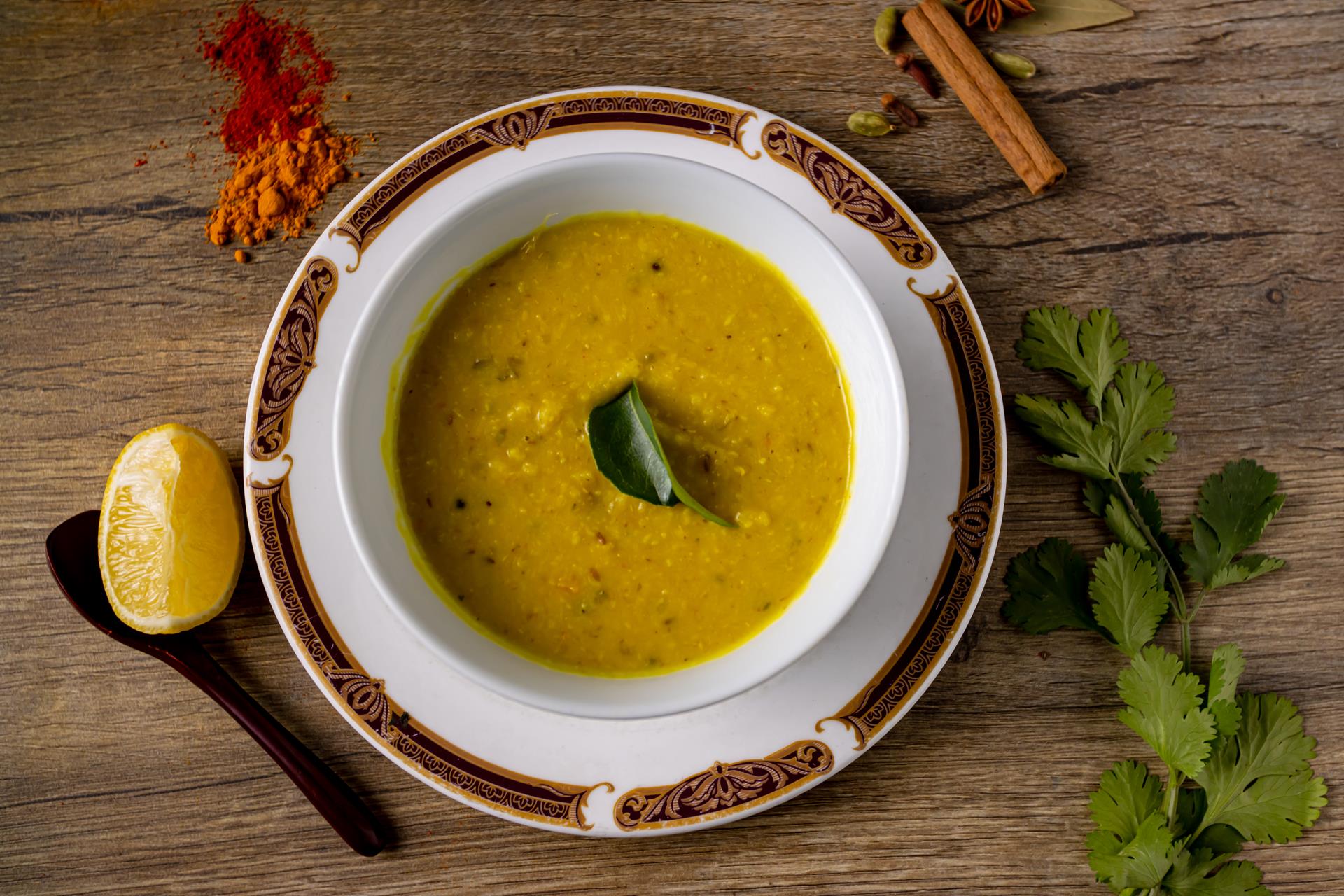
The vivid tapestry of Indian cuisine is elaborately woven with a varied range of flavors, each contributing special tastes and health benefits. Seasonings such as cumin, coriander, and turmeric kind the foundation of lots of recipes, instilling them with warmth and depth. Cumin seeds use a nutty aroma, while coriander includes a citrusy brightness. Turmeric extract, understood for its vibrant tone, not only improves visual charm but also flaunts anti-inflammatory residential properties.
Other remarkable seasonings consist of garam masala, a mix that differs regionally, and cardamom, which supplies a wonderful, aromatic touch. Mustard seeds, with their poignant kick, and fenugreek, with its a little bitter preference, more enhance the cooking landscape. The mindful equilibrium of these spices is vital, as each one contributes in developing the consistency quality of Indian recipes. Recognizing these flavors is considerable for anybody looking for to value the intricacy and richness of Indian food.
Iconic Curries: A Trip Through Regional Flavors
Curries represent the heart of Indian culinary society, showcasing the richness and diversity of local flavors throughout the subcontinent. Each region boasts its one-of-a-kind analysis, influenced by regional ingredients, practices, and climate. In the north, luscious butter poultry and fragrant paneer tikka masala entice palate, while the south offers a dynamic array of coconut-based curries like Kerala's fish curry and the spicy sambar.
The eastern is renowned for its mustard-infused meals, such as the legendary Bengali mutton curry, while the west features abundant, tangy curries like Goan vindaloo and Rajasthani dal baati churma. (takeout and delivery)
These famous curries not only work as a cooking delight however additionally tell the stories and heritage of their corresponding regions. As one discovers these diverse offerings, a much deeper understanding of India's cultural mosaic unfolds, strengthening the relevance of curries in the country's gastronomic identity.
Biryani: The Royal Rice Dish
Biryani, usually regarded as the imperial rice meal of India, flaunts a rich background that shows the social exchanges of the Indian subcontinent. Its origins are steeped in the practices of Mughal kitchens, while different local adjustments have emerged, each showcasing special tastes and ingredients. This culinary work of art proceeds to advance, revealing a tapestry of preferences that commemorate India's diverse heritage.
Beginnings and Background
Stemming from an abundant tapestry of cultural impacts, biryani stands as an icon of India's culinary heritage. Its origins map back to the Persian word "birian," meaning "fried before food preparation," highlighting its unique food preparation method. The dish gained importance throughout the Mughal period, where imperial cooking areas perfected it, blending rice with marinaded meats and a harmony of seasonings. This elegant dish was typically served at grand feasts, showcasing the wide range and sophistication of Indian royalty. Over time, biryani developed, soaking up neighborhood active ingredients and food preparation methods, which added to its prevalent appeal. Today, it continues to be a precious recipe, commemorated not just for its taste however likewise for its historical relevance, reflecting the assemblage of varied cultures within India.
Regional Variations Explained
The diverse landscape of Indian food showcases a selection of regional biryani variations, each showing regional practices and ingredients. In Hyderabad, the Hyderabadi biryani is renowned for its great smelling basmati rice and marinated meat, commonly split with saffron and fried onions. Meanwhile, Kolkata biryani features a special combination of potatoes and boiled eggs, influenced by Mughal traditions. In the southern areas, the Malabar biryani incorporates coconut and flavors, highlighting regional tastes. The Lucknowi or Awadhi biryani is identified by its slow-cooking method, improving the recipe's fragrant top qualities. Each variant not only represents the geographical diversity of India however likewise the cultural heritage, making biryani a precious culinary masterpiece throughout the country.
Street Food Sensations: A Preference of India on the move
India's vivid road food scene offers a range of flavors and textures that astound citizens and travelers alike. From busy metropolitan markets to peaceful village lanes, street suppliers offer up an attracting mix of snacks. Popular recipes consist of pani puri, where crunchy puris ruptured with appetizing water, and vada pav, a spicy potato fritter served in a bun. Chaat stands deal a wonderful medley of full-flavored and wonderful parts, enticing taste buds with each bite.
The fragrance of searing pakoras and fresh bhajis fills up the air, reeling in crowds enthusiastic to indulge. Each area provides its own specializeds, such as the spicy bhel puri of Mumbai or the delicious kathi rolls of Kolkata (Chicken tikka masala). Street food not just pleases appetite yet likewise gives a look into the regional society, making it an important experience for anyone venturing right into the diverse cooking landscape of India
Vegetarian Joys: Commemorating Plant-Based Indian Cuisine
Indian food uses a vivid array of vegan meals that highlight its rich social heritage and varied regional specializeds. Utilizing nutrient-rich components, these meals not only please the taste buds yet likewise offer essential health benefits. Popular dishes, such as paneer tikka and chole bhature, exhibit the creativity and flavors located within plant-based Indian cooking.
Nutrient-Rich Active ingredients
While checking out the lively globe of vegetarian Indian food, one swiftly discovers a bonanza of nutrient-rich ingredients that not just entice the taste yet also advertise wellness and well-being. Lentils, or dal, function as a main healthy protein resource, packed with fiber and necessary amino acids. Leafed eco-friendlies like spinach and fenugreek give important nutrients, while vibrant flavors such as turmeric and cumin boast anti-inflammatory residential properties. Chickpeas, typically utilized in recipes like chana masala, are abundant in protein and iron. Additionally, different veggies, consisting of eggplant and okra, add fiber and anti-oxidants. These ingredients, when integrated, develop a harmonious balance of flavors and nutrition, showcasing the healthy significance of plant-based Indian food.
Regional Specialties Summary
As one checks out the varied landscape of vegan cuisine discovered across the subcontinent, it ends up being obvious that each area flaunts its own distinct specialties, reflecting local ingredients, practices, and see this here tastes. In the north, passionate recipes like sarson da saag and makki di roti commemorate mustard environment-friendlies and cornmeal, while the west showcases the dynamic use flavors in meals like dal baati churma. Southern areas use coconut-infused delicacies such as sambar and dosa, highlighting the abundance of rice and vegetables. The eastern attributes the mouthwatering and pleasant equilibrium of recipes like shorshe ilish, which incorporates mustard with fish. This regional variety highlights the abundant tapestry of Indian vegetarian cuisine, welcoming expedition and gratitude of its numerous offerings.
Popular Dishes Highlighted

Pleasant Endings: Typical Indian Treats to Enjoy
Indian treats provide a delightful conclusion to any type of meal, showcasing a rich tapestry of tastes and textures. Among one of the most popular is Gulab Jamun, a soft, syrup-soaked treat made from khoya and flavored with cardamom. An additional preferred, Jalebi, includes crispy spirals taken in wonderful syrup, typically enjoyed warm. For those who favor a velvety texture, Kheer-- a rice dessert made with milk, sugar, and nuts-- provides a reassuring sweetness.
Barfi, a fudge-like confection, is available in different tastes such as pistachio and coconut, attracting diverse tastes. Furthermore, Ladoo, round desserts made from flour and sugar, are prominent cheery treats (Best indian near me). Each treat reflects local variations and cultural importance, inviting exploration. These typical Indian sweets not only please the craving for sweets but additionally supply a glimpse into the country's cooking heritage, guaranteeing they are a must-try for anyone delighting in Indian food
Regularly Asked Questions
Are Indian Spices Available in Grocery Shops Outside India?
Yes, Indian spices are extensively readily available in grocery store shops outside of India. Several global markets and specialized shops stock them, allowing people almost everywhere to check out and delight in the varied tastes of Indian food.
How Can I Readjust Flavor Levels in Indian Dishes?
To change flavor degrees in Indian dishes, one can lower or web enhance seasoning amounts, add milk products like yogurt, or incorporate sweet elements such as coconut, honey, or sugar to balance warmth and boost tastes.
What Are Some Usual Misconceptions Concerning Indian Food?
Several mistaken beliefs concerning Indian food consist of the idea that all meals are excessively zesty, that it entirely is composed of curry, which vegan options do not have taste. In reality, Indian cuisine is varied and offers a range of preferences.
Can Indian Food Be Made Gluten-Free?
Just how Do I Choose the Right Indian Restaurant?
To pick the appropriate Indian dining establishment, one must consider authentic testimonials, menu variety, cleanliness, the use of fresh components, and the visibility of experienced staff. Personal recommendations can also guide the choice process efficiently.
The cautious balance of these flavors is crucial, as each one plays a function anchor in creating the harmony quality of Indian dishes. Biryani, often pertained to as the imperial rice dish of India, boasts a rich background that shows the cultural exchanges of the Indian subcontinent. Indian food uses a lively variety of vegan meals that highlight its rich social heritage and diverse regional specialties. Iconic recipes such as paneer tikka, abundant in taste and structure, exemplify the creativity found in Indian kitchens. Several misunderstandings about Indian food include the idea that all meals are excessively spicy, that it entirely consists of curry, and that vegan choices lack flavor.